What is Unshaped Refractory Materials?
In elevated-temperature industrial applications, refractory materials are essential for furnishing thermal insulation and protection against extreme heat. Unshaped refractory materials, also known as monolithic refractories, have gained significant popularity owing to their versatility and ease of installation. In this treatise, we shall explore what unshaped refractory material is, its composition, types, and its wide range of applications.
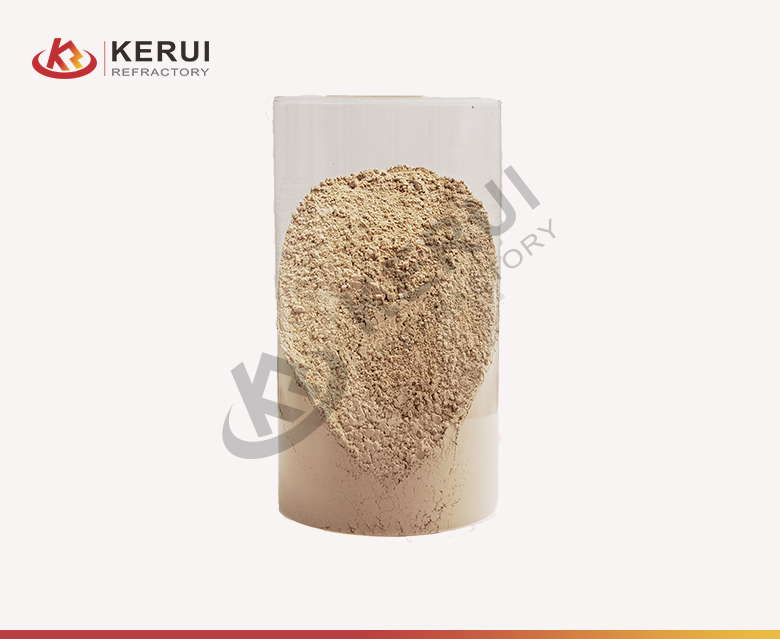
Discerning Unshaped Refractory Material
Unshaped refractory material from Kerui company refers to a type of refractory that is not precast or shaped into specific forms prior to installation. Unlike traditional refractory bricks or blocks, unshaped refractories are delivered in a ready-to-employ state and can be directly applied to the desired area. They are typically composed of a mixture of refractory aggregates, binders, and additives, which are combined with water or other liquid agents to form a workable consistency.
Composition
The composition of unshaped refractory material can vary depending on the precise application. The primary components include refractory aggregates, which are typically fine or coarse particles of materials such as alumina, silica, magnesia, or chrome. These aggregates furnish the material with its thermal insulation and mechanical strength. Binders, such as clay, high quality calcium aluminate, or phosphate, are employed to hold the aggregates together. Additives, including plasticizers, deflocculants, or stabilizers, may be incorporated to improve workability, setting time, and other properties.


评论
发表评论